Quiet Strength & Low-Stimulation Fitness: A Calm Approach to Exercise for Introverts
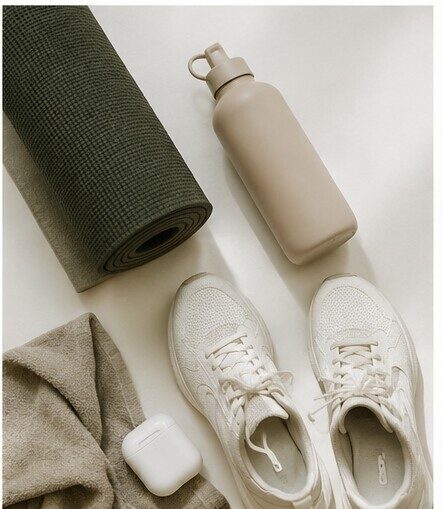
Many people find the energy in a crowded gym uplifting and motivating. The loud music, group classes, and constant activity instantly inspire them to move. However, for introverts, that same environment can feel exhausting and draining even before they start their workout.
I used to avoid exercise because traditional spaces felt overwhelming. Just the idea of being in a crowded space and interacting with people makes me feel anxious. The good news is I discovered that staying active doesn't actually require noise, competition, or constant social interaction.
There’s low-stimulation fitness, which offers a quieter path to strength. It focuses more on calm environments, mindful movement, and sustainable routines.
Why Low-Stimulation Fitness Matters?
When I realized that working out can actually feel restorative rather than draining through low-stimulation fitness, I immediately started my journey towards staying fit.
I was no longer dissuaded from exercising just because of the thought of crowded gyms, loud music, and being constantly surrounded by people. This approach helped me enjoy quieter forms of movement that aim to improve strength, physique, and overall state of health.
Fitness that doesn't drain your social battery
With low-stimulation fitness, you don’t have to feel extremely pressured because it’s something you can do in a quiet environment, at your own pace. You’ll be in a safe place that prevents anxiety and further enhances your focus.
Space to focus on yourself
The fact that low-stimulation fitness involves workouts that you can do alone means that you’ll also have better mental clarity and concentration. It lets you focus not only on your workout but also on internal cues.
Confidence without competition
Quiet movements give you a sort of calm that further motivates you to perform your regular exercises. The result is a healthier lifestyle and a fitter body that can also bolster your self-esteem.
Freedom to move on your own terms
Low-stimulation fitness gives you control and flexibility over where you’ll be doing the exercise. You can decide on your workout environment, making the whole process comfortable for you.
Personalized activities
You also have the opportunity to personalize your routines based on your preferences. This establishes a more effective and comfortable fitness plan that you can easily adhere to.
Aside from that, low-stimulation workouts can recharge your mind. You get to process your own thoughts calmly and decompress after any social interaction.
Core Principles of Low-Stimulation or Quiet Fitness
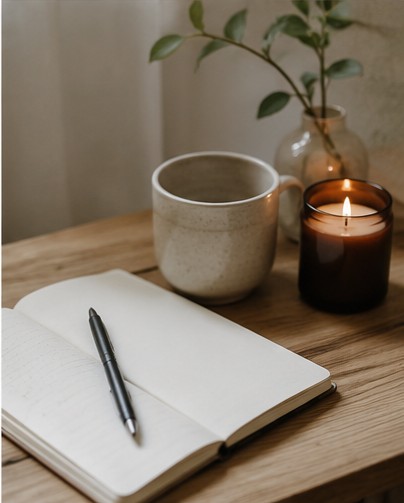
To start your low-stimulation or quiet fitness journey, you have to learn its principles. Basically, you’ll be in an environment that prioritizes slow, deliberate movements, free from the noise and crowd. It’s perfect for quiet-minded individuals who prefer calmness, control, and mindfulness.
- Mind-body connection – Your posture, breathing, and overall awareness should feel like one. Incorporate deep focus and breath control into each movement to lower mental fatigue and improve neuromuscular efficiency.
- Resistance work – Use resistance for muscle building and strengthening without the usual distractions from gyms.
- Mindfulness – Build a space that promotes sustainable strength, one that lets you strengthen and build muscles to support life, instead of focusing on just numbers and physique.
- Calm environment – Choose to do your exercises in calm and relaxing spaces. It could be a peaceful spot in your home, a small and quiet studio, or a place that lets you commune with nature.
- Pacing – Low-stimulation fitness also uses consistent, gentle routines over highly intense movements. This usually eliminates pressure during workouts.
- Minimalism – Use simple fitness equipment or just your own body. Your routines should be uncluttered to ensure that they remain calming and less stressful.
- Internal drive – Use deliberate pacing and focus on breathing, alignment, and muscle engagement to create your internal drive.
Integrating these core principles into your low-stimulation fitness routines makes your fitness approach more powerful. This is possible while still feeling grounded and intuitive as you sustain the confidence and strength you developed along the process.
Best Low-Stimulation Fitness Activities for Introverts
So now that you know the benefits of low-stimulation fitness for introverts, as well as its core principles, it’s time to discover the best activities that are in line with it.
Yoga
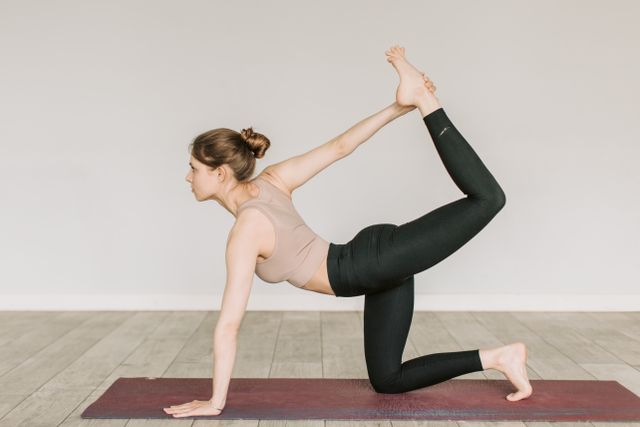
Low-impact yoga, composed of gentle, restorative poses you can hold for longer periods, can create a relaxing rhythm to recharge, relieve stress, and improve flexibility.
It’s a perfect fit for introverts as it involves deep breathing, mental clarity, and personal reflection. You can perform all these while gently stretching and strengthening your body.
Yoga is also a mindful and peaceful practice. It offers an introspective experience for reflective individuals and independent exercisers who prefer solitude.
Another reason to love yoga is that it’s something you can practice anywhere you want to be alone. It could be at home, in a peaceful park, or in a beautiful garden. There’s no pressure to attend crowded studios and classes.
Just visit your favorite spot for your alone time and bring a yoga mat, which can be your personal sanctuary for unwinding and keeping yourself centered.
Pilates
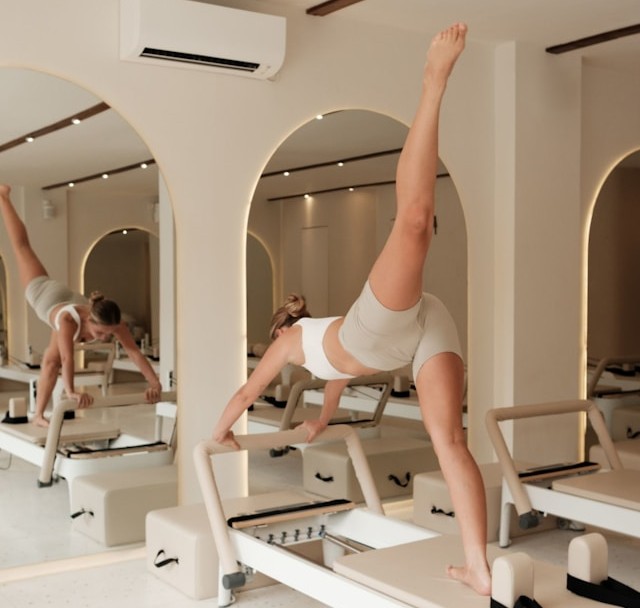
Pilates is another low-stimulation exercise you can do on your own, at home, or within a small group. This is good if you favor a more controlled social interaction or a less crowded setting.
Pilates gives inward-focused personalities the flexibility to participate in a low-stress and focused fitness routine while preserving personal space. This prevents social burnout and offers peace and serenity.
Focus on doing slow and controlled Pilates movements. Overall, the practice features focused and deliberate routines that improve posture and strengthen the core without exposing you to loud and intense high-energy classes.
Walking, Hiking, & Running
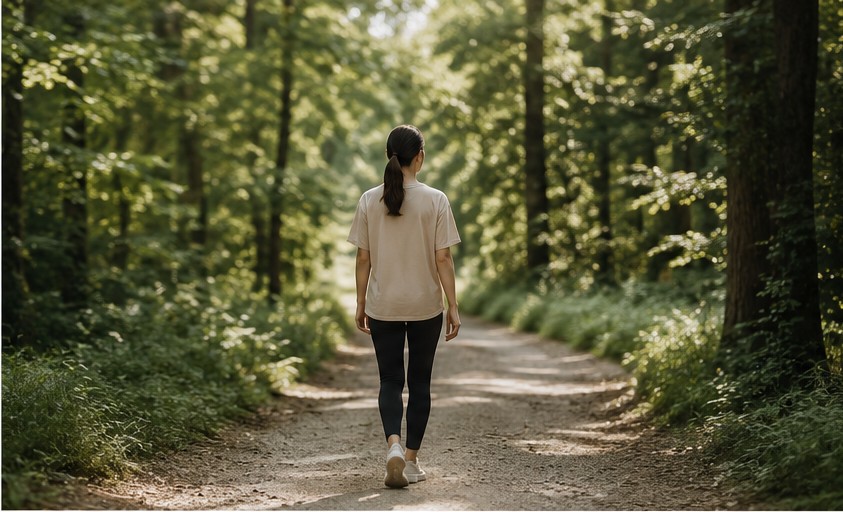
Most introverts are also fond of solo cardio exercises, such as walking, hiking, and running. It’s easy to build strength and attain mental clarity when doing these exercises alone.
You have several options for the location of your exercises. It could be around a scenic park, a relaxing beach, or your own neighborhood.
You can also do trail walking or hiking while communing with nature. It could be in a secluded trail or a quiet forest path. This provides a quick escape whenever you feel the need for solitude.
Tai Chi or Qigong
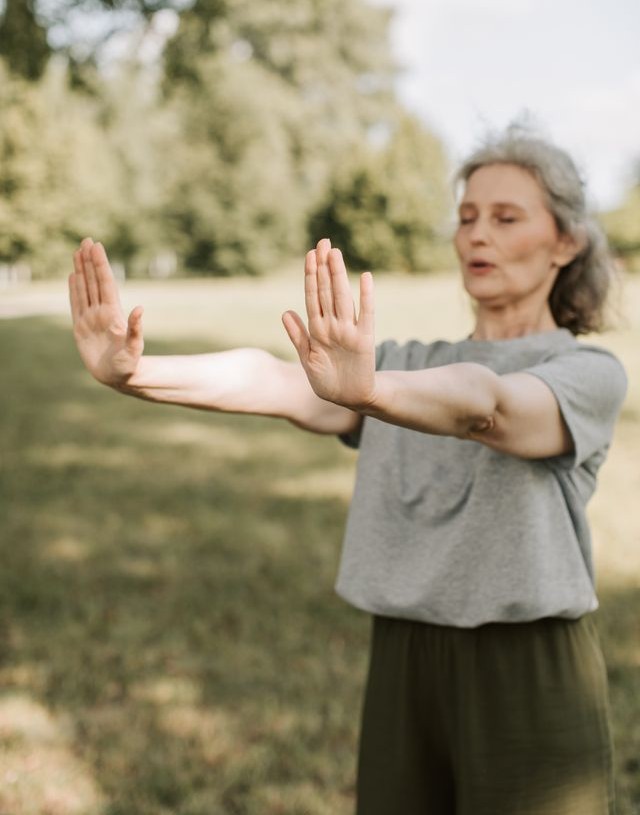
Tai Chi or Qigong is ideal for you if you are fond of activities with meditative flow and quality. Tai Chi, for instance, possesses impressive meditative qualities through slow, calm, and flowing movements.
It takes you into a soothing environment that supports your need to focus on your inner sensations while nurturing your sense of awareness. The result of the practice is often a clearer and uncluttered mind. It lets you escape from overstimulating environments, too.
Meanwhile, Qigong works for those who prefer to recharge alone because it is adaptable and prioritizes the flow of energy. It features gentle, rather than active, movements.
At-home Strength Training
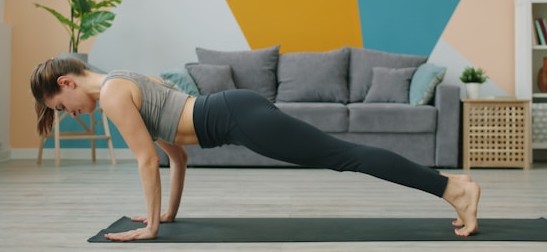
Do you have light weights and resistance bands at home? Then you can use them, along with your body weight, in your own strength-training routines at home. Choose gentle strength training, especially if you feel anxious lately, so you can manage it efficiently.
This form of gentle training focuses more on mindful breathing and controlled movements that can further strengthen your mind-body connection. Done consistently, it can improve your muscle tone and endurance, which will eventually hone your confidence and self-esteem.
Start with low weights to build your confidence first. Do it consistently, so you’ll achieve your desired progress soon.
Cycling

Cycling is another solitary fitness activity that lets you explore your surroundings at the same time. It provides a sense of freedom, whether you do it around your neighborhood or along quiet and peaceful country roads.
You get to set your own route, pace, and time when cycling. What’s more? It’s gentle on your joints, a big advantage, especially if you’re already experiencing body pains and aches from time to time.
Take each cycling session as an opportunity to clear your mind while enjoying a good cardio workout.
Designing Your Routine for Consistency and Motivation
Low-stimulation fitness is indeed for introverts who wish to stay physically fit without going to loud, overcrowded gyms. You have to pair it up with consistency and motivation, though.
The good thing about having an introverted personality is that it also means you’re self-reliant and introspective. In other words, you can motivate and uplift yourself without seeking validation from external sources.
However, it’s also natural for you to need an extra push every now and then. To help you stay consistent and motivated in your fitness journey, design your low-stimulation fitness routines appropriately.
- Track progress – A journal, fitness app, or calendar can help you in this area. By monitoring your progress, you remain accountable throughout your whole journey.
- Stick to short sessions – As much as possible, each session should only be around fifteen to thirty minutes. This will prevent burnout and help you maximize each minute. You can slowly increase the duration as soon as you get familiar and comfortable with the physical activities and routines.
- Be flexible in your schedule – Don’t pressure yourself to do it at the exact same time every day. Enjoy the experience, especially the peaceful and calming effect of the routines.
- End your routines with a relaxing ritual – It could be through breathing exercises or by drinking your favorite tea. You can also do journaling. The goal is to end each session with something that will further relax your mind and body.
Keep in mind that consistency can drive your desired success in your fitness journey as an introvert. Even at times when you don’t have the motivation to exercise, try pushing yourself to do a short physical activity.
Over time, your consistent completion of low-stimulation fitness activities will pay off. It comes in the form of better health and physique, higher energy levels, and a more positive mood.
Final Thoughts
In today’s world that often celebrates intensity, don’t be afraid to choose a quieter and calmer approach to exercising. Staying fit doesn’t necessarily mean exhausting or overstimulating yourself.
Sometimes, the most sustainable fitness routines are actually those that respect and embrace who you naturally are. Whether you take a morning walk, do some stretching at home, or enjoy a peaceful yoga, each movement is an intentional act of self-care.
Remember that quiet strength doesn’t necessarily push you to do more. It’s all about doing low-stimulation activities involving slow, gentle movements that are truly meant for you.