The Sanctuary Bath: A Quiet Evening Ritual for Mental Restoration
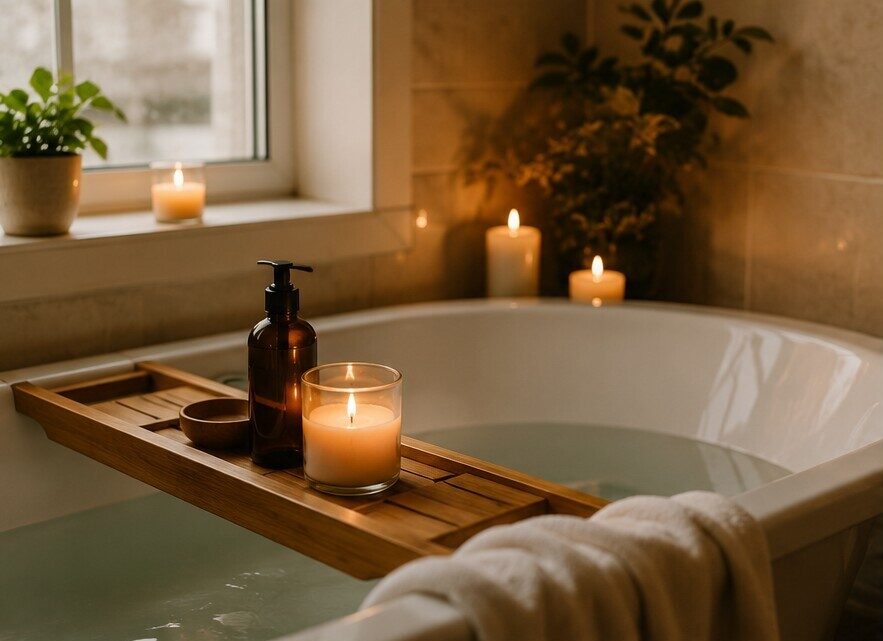
Imagine coming home after a long, tiring day and feeling so mentally exhausted to the point that sleep alone is not enough for recovery.
You may not feel tired physically, but your mind seems worn out. Every notification, conversation, decision, and responsibility took a small part of your attention, leaving you totally drained. Even simple tasks become overwhelming to do.
Modern life rarely gives our minds the chance to rest. Our day often involves moving from one source of stimulation to another. There are emails, social media, work demands, news updates, and endless streams of information that constantly get our attention.
These things often stimulate us without realizing that we’re already spending too much of our mental energy. This constant input can specifically drain introverts and highly sensitive individuals. And that’s where the sanctuary bath comes into the picture.
Don’t think of it as a luxury spa treatment or an elaborate self-care routine. It’s actually just a simple evening ritual created to give you a temporary refuge from noise, distraction, and overstimulation.
The simple act of stepping into warm water and reducing sensory input intentionally is an opportunity for your mind to slow down, settle, and recover. It’s restorative as it gives you a few quiet moments, free from anything that demands your attention.
Why Some Forms of Rest Don't Feel Restful
People nowadays naturally experience a frustrating kind of exhaustion that remains even after resting. Even if they just sit or lie down on the couch while scrolling through social media, watching videos, or browsing the net, they still end up feeling mentally drained.
Insufficient rest is not the usual cause of this problem. Sometimes, it's the type of rest we're choosing.
When Rest Still Includes Stimulation
Common relaxation activities don’t feel restful because they continue to stimulate the brain, like:
- Scrolling through social media before bed
- Watching videos or television for hours
- Constant exposure to notifications
- Consuming endless streams of information
- Comparing ourselves to others online
- Engaging with emotionally charged content
These activities can make you feel relaxed at the moment, but they still demand your attention. It’s the reason why your mind stays active even if your body is inactive.
To get true and full restoration, you have to do something different, and that is less input instead of more.
The Introvert's Need for Quiet Recovery
One fact about introverts is that they always need to recharge through solitude and low-stimulation environments. The problem is that their daily responsibilities prevent them from entirely avoiding overstimulation.
Imagine dealing with crowded spaces, work meetings, social interactions, digital communication, and family obligations. If you’re an introvert, these responsibilities will gradually drain your mental energy.
There will also be a buildup of this form of stimulation if you don’t do intentional recovery. In this case, try a sanctuary bath, which can be a source of calm, allowing your mind to finally stop processing and just be in the moment.
What is a Sanctuary Bath?
At its core, a sanctuary bath refers to an evening ritual that prioritizes mental restoration over physical pampering.
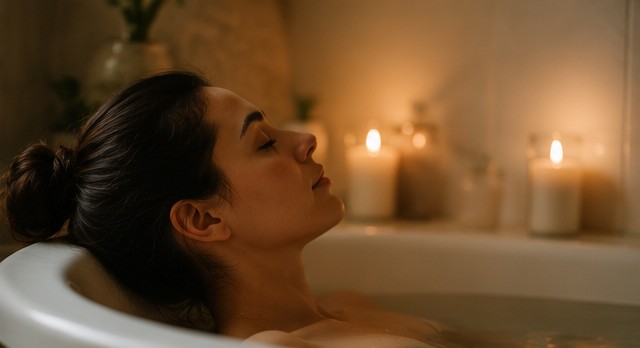
More Than an Ordinary Bath
A sanctuary bath is far from traditional spa-inspired routines, as it does not involve the use of expensive products or sophisticated treatments. It comes with a much simpler purpose: creating a quiet space for you to step away temporarily from your day’s demands.
A 20- to 30-minute sanctuary bath doesn’t need too much of your attention. You don’t need to accomplish any tasks, answer messages, or meet expectations when doing it. It serves as a personal retreat rather than a new item in your self-care checklist.
The Inspiration Behind It
The concept borrows from the principles of sensory reduction. This means its goal is to lessen unnecessary stimulation, instead of fully eradicating sensory input. It involves using soft lighting, warm water, and silence, all of which create an environment that relaxes your nervous system.
This often results in a surprising sense of mental spaciousness, an increasingly rare feeling in today’s modern landscape.
How to Create a Sanctuary Bath at Home
One thing that makes this ritual incredible is its simplicity. It doesn’t need a bathroom with a perfect design nor a full box of luxury products. Here’s how to create your personal sanctuary bath at home:
Dim the lighting
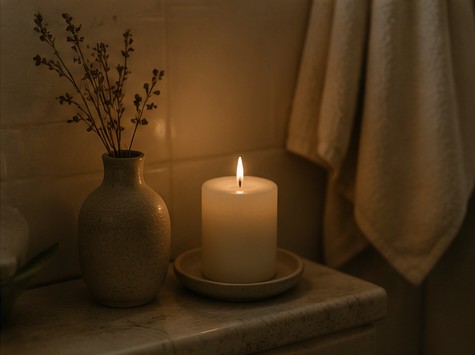 Use
softer alternatives to harsh overhead lights, such as a small lamp,
candlelight, or warm ambient lighting. These types of lighting can instantly
produce a soothing atmosphere while signaling your brain that it’s time to
relax and unwind.
Silence the digital world
Never bring your phone when doing the ritual. Stop the urge to scroll, listen to endless streams of content, or check messages. Have a complete digital detox, even if it’s only for a little while.
Keep things simple
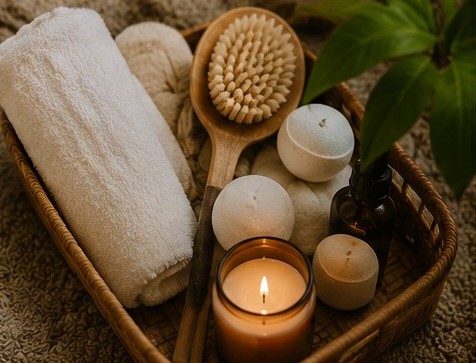
Warm water is usually enough when doing this nighttime ritual. You may use your favorite bath soak or add a few drops of essential oil, but these are optional. Note that the sanctuary bath doesn’t revolve around the products you use. Its goal is to create a space for quiet.
Pay attention to the present moment
Feel the warmth of water as it touches your skin. Listen to the subtle sounds surrounding you and focus on your breathing. Let your thoughts come and go naturally without controlling them or forcing mindfulness.
Give yourself permission to do nothing
The most crucial step for your sanctuary bath is to let go of your need to be productive. Note that at this particular moment, you don’t need to journal, meditate, or turn your experience into another self-improvement project. The only thing to do is to simply rest.
The Unexpected Benefits of Quiet Bathing
By making a sanctuary bath part of your regular routines, you’ll enjoy rewarding benefits that go beyond simple relaxation.
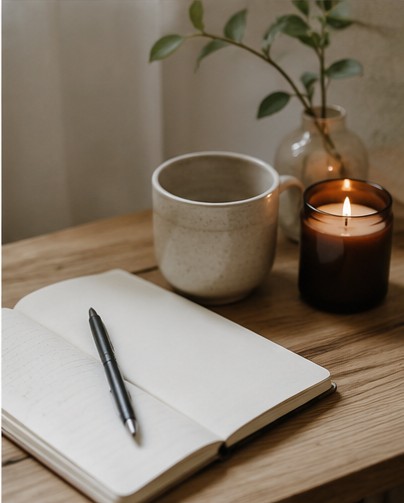
Mental clarity
A regular sanctuary bath can reduce stimulation, which effectively quiets mental clutter. Expect your thoughts to feel less scattered and easier to process.
Emotional reset
Periods of stillness create space to acknowledge emotions that you may have pushed aside because of your hectic day’s demands.
Better sleep preparation
This introvert self-care ritual lets you gently transition from your day’s heavy demands to a more restful evening. Expect a good night’s sleep free from your worries after taking your sanctuary bath.
Reconnection with yourself
In a world filled with too much noise, a few moments of silence offer an opportunity to reconnect with yourself and hear your own thoughts again.
Final Thoughts
Self-care doesn’t always require spending money on expensive products, elaborate routines, and luxurious experiences. Sometimes, you can get the mental restoration and emotional reset you desperately need from things as simple as a sanctuary bath. Just focus on intentionally removing stimulation instead of adding more.
This quiet evening ritual simply reminds you that for rest to be valuable, it doesn’t need to be productive. The only thing you should do is create a few quiet moments, so your mind can slow down and recover.